
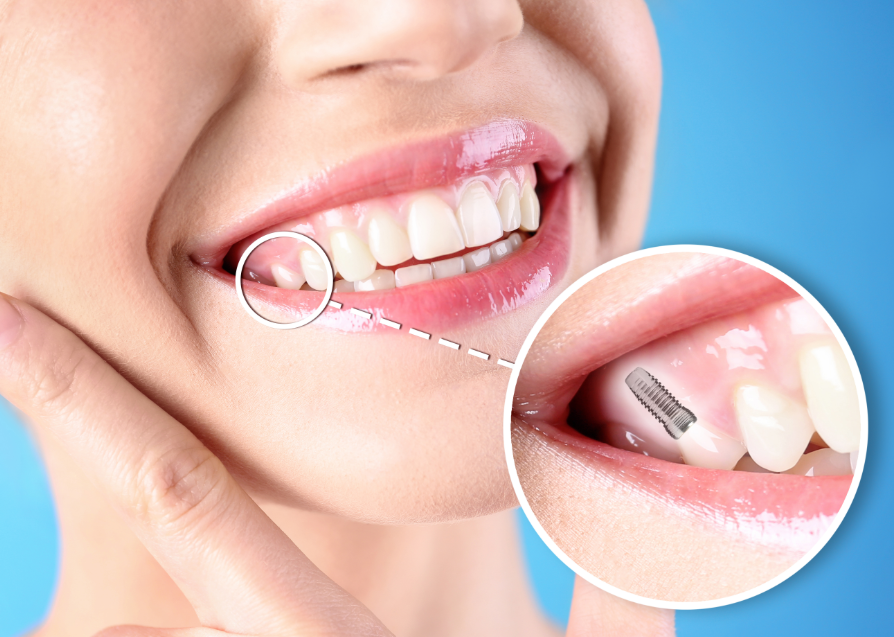
Dental implants are widely considered the gold standard for replacing missing teeth. They’re strong, stable, and designed to function much like natural teeth. Because of these benefits, some patients wonder whether they should replace their existing teeth with implants—even if those teeth are still healthy.
While implants are an excellent solution for tooth loss, dentists generally recommend preserving your natural teeth whenever possible. Healthy teeth offer advantages that even the most advanced dental technology cannot fully replicate.
Understanding why dentists prioritize saving natural teeth can help you make informed decisions about your long-term oral health.
Natural Teeth Are Still the Best Option
Your natural teeth are uniquely designed for strength, function, and sensation. Each tooth is connected to the jawbone through a structure called the periodontal ligament. This ligament acts like a natural shock absorber and provides sensory feedback when you bite or chew.
Dental implants, while highly effective, do not replicate this exact structure. They fuse directly with the jawbone and lack the natural ligament that helps regulate pressure and movement.
Because of this difference, natural teeth often provide better sensitivity, bite awareness, and long-term adaptability. As long as a tooth can be preserved and restored, it is typically the healthiest option for your smile.
Dental Implants Are Designed for Missing Teeth
Dental implants were developed as a solution for replacing teeth that are missing or cannot be saved. When a tooth is severely damaged by decay, infection, trauma, or advanced gum disease, an implant can restore both function and appearance.
The implant itself acts as an artificial tooth root placed in the jawbone. After healing, a custom crown is attached to the implant, creating a replacement tooth that looks and functions naturally.
However, replacing healthy teeth with implants requires extracting those teeth first. Because extractions permanently remove natural tooth structure, dentists only recommend this step when a tooth cannot be restored through other treatments.
Preserving Teeth Supports Long-Term Oral Health
Keeping your natural teeth whenever possible helps maintain the overall health of your mouth.
Natural teeth help guide proper bite alignment and support surrounding teeth. When teeth are unnecessarily removed, it can sometimes affect the way your bite functions and how pressure is distributed when chewing.
Additionally, many dental treatments can successfully restore damaged teeth without requiring extraction. Procedures such as fillings, crowns, root canal therapy, or periodontal treatment can often preserve a natural tooth for many years.
Saving a tooth whenever possible is typically less invasive than removing it and replacing it with an implant.
When Dental Implants May Be Necessary
Although preserving natural teeth is usually the goal, there are situations where dental implants become the best option.
If a tooth is severely damaged, fractured below the gumline, or affected by advanced infection that cannot be treated, extraction may be necessary. In these cases, a dental implant can provide a durable and long-lasting replacement.
Implants can also be helpful when multiple teeth are missing, helping restore chewing ability, speech, and smile appearance. Modern implant technology has made tooth replacement more reliable and natural-looking than ever before.
The key is determining whether a tooth can still be saved.
Why a Professional Evaluation Matters
Every smile is different, and the decision between preserving a natural tooth or replacing it with an implant depends on several factors. A comprehensive dental exam allows your dentist to evaluate the health of your teeth, gums, and jawbone before recommending the best treatment option.
In many cases, patients are pleasantly surprised to learn that their natural teeth can still be restored and protected with modern dental care. When possible, keeping your natural teeth remains the best long-term investment in your oral health.
About the Practice
Frandsen Dental of West Jordan provides comprehensive dental care focused on preserving natural teeth while offering advanced solutions when replacement is necessary. Led by Dr. Frandsen and a team of advanced dentists, our practice offers a full range of services, including preventive care, restorative treatments, and dental implant procedures designed to restore function and confidence.
Call us at (801) 890-0030 or schedule your appointment online.